
Preheaters
Thermoplastic preheaters that melt evenly and never burn.
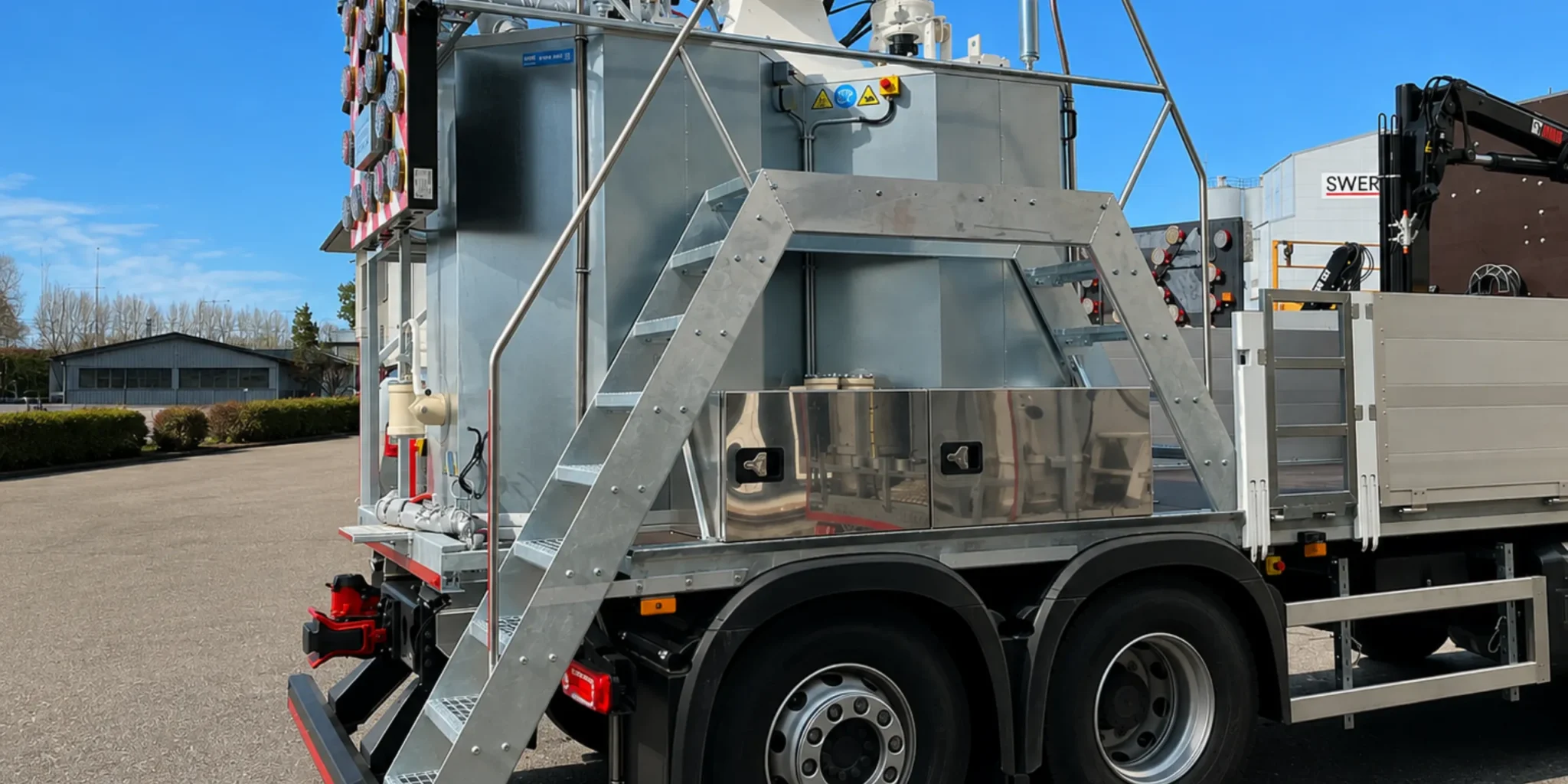
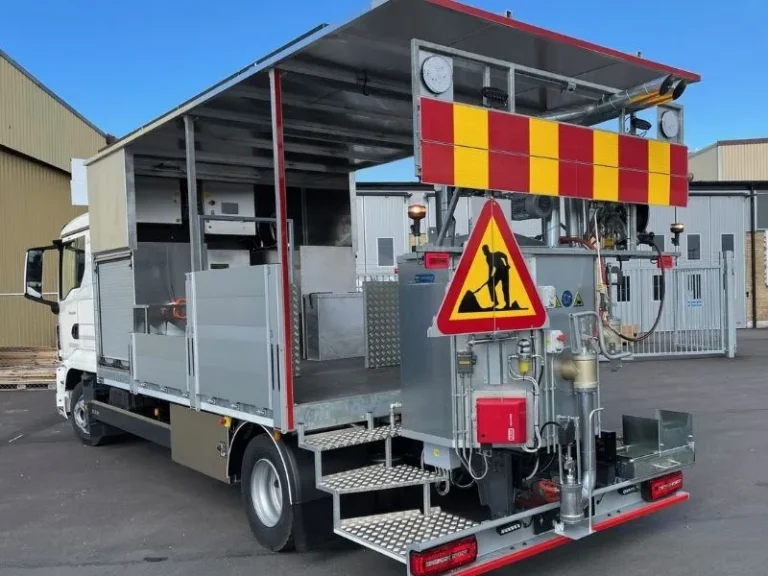
RME preheaters use gentle controlled melting that protects your material and your margins. Available in different sizes for any operation. Built in Sweden for continuous use in demanding field conditions.
Flexible
A preheater that fits your operation, not the other way around.
Whether you run a single vehicle or a paired system, hydraulic or electric agitation, there is a configuration for your setup.
The engineering behind it
Thermoplastic stays ready, so the operation keeps moving.
Every RME preheater is built for one job. Reliable, controlled melting that keeps your work flowing without delays.
Proven
Three reasons your thermoplastic stays at the right temperature.
Three capabilities that keep your operation running without interruption.
Why it works
Gentle oil-jacket heating, relentless results.
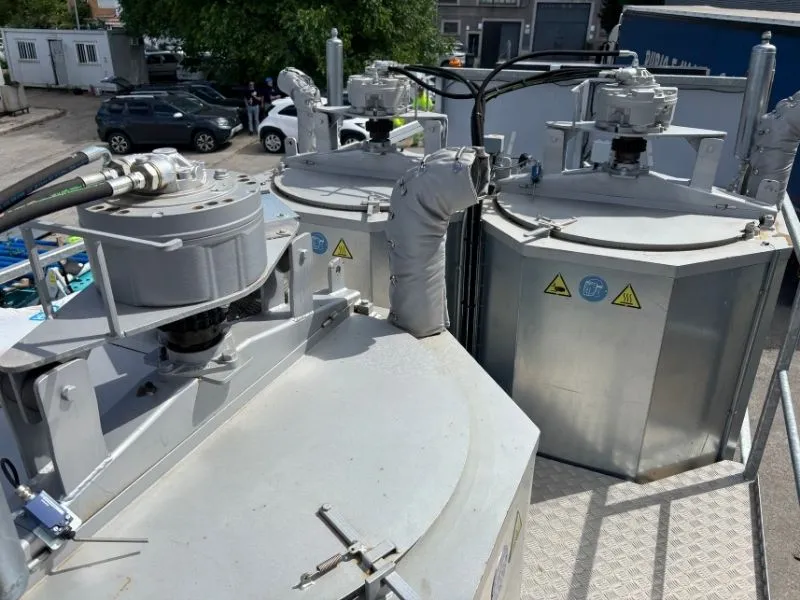
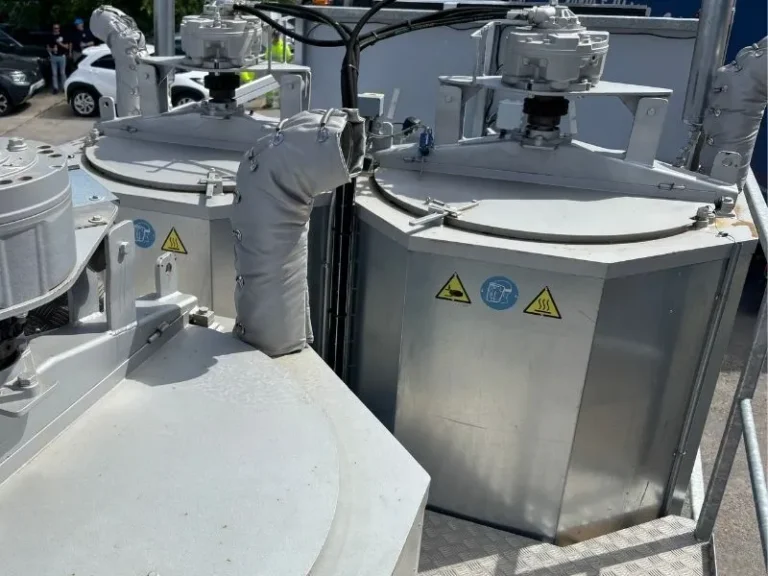
The oil jacket is the difference. Indirect heat means the material never touches a flame. The result is efficient melting, lower fuel use, and a system built for demanding field conditions.
Process
How an RME preheater goes from load to dispense.
Four steps, each one built into the design because each one matters.
 1
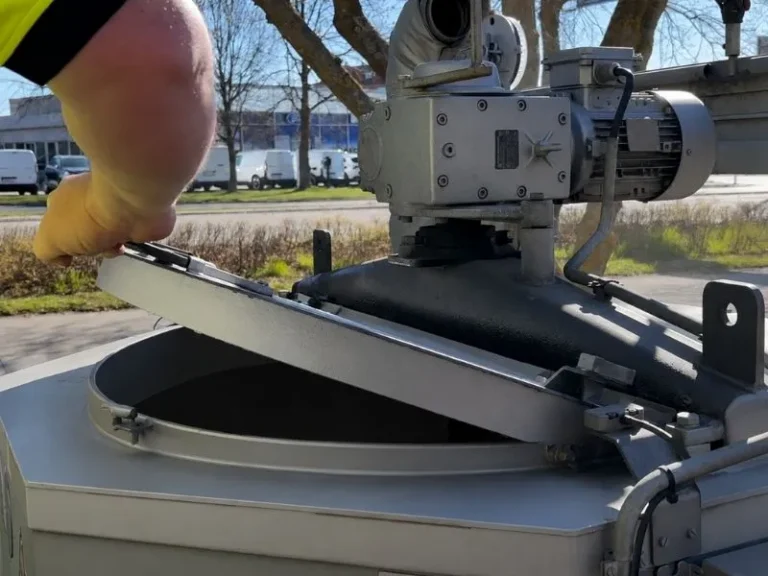
1Load the material
Thermoplastic enters the preheater in sacks, big bags, or block form without modification or preparation.
 2
2Heat gently and evenly
Oil jacket indirect heating begins. The material is warmed gradually across the entire surface to avoid degradation.
 3
3Agitate for consistency
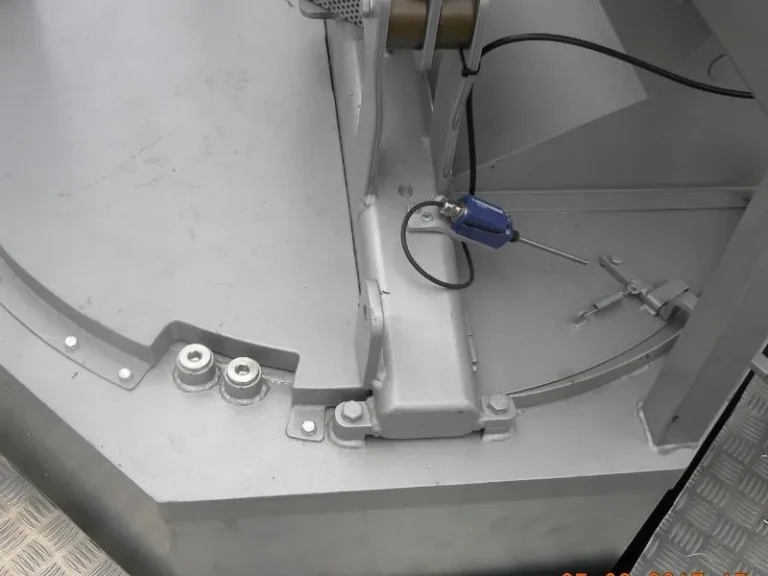
Automated agitators control direction and speed to ensure an even melt across the entire batch.
 4
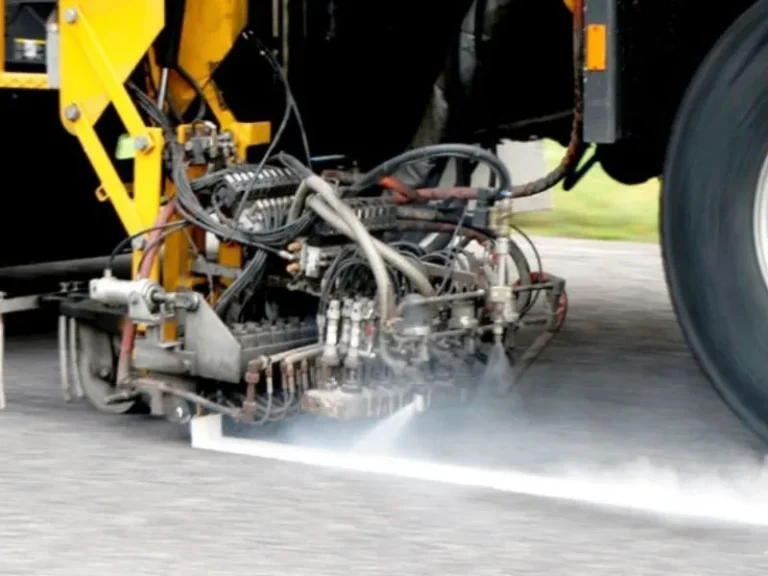
4Dispense on demand
Material flows through the oil-jacketed outlet, controlled by hand, electric, pneumatic, or hydraulic methods.
In the field
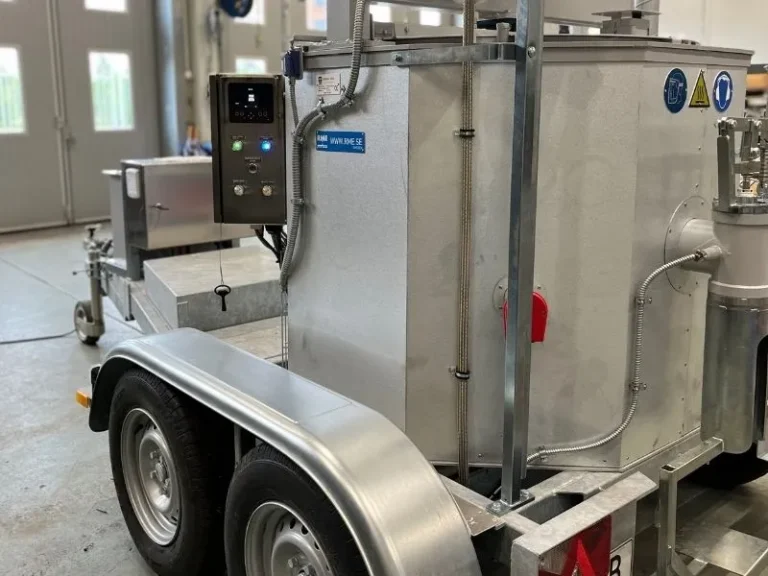
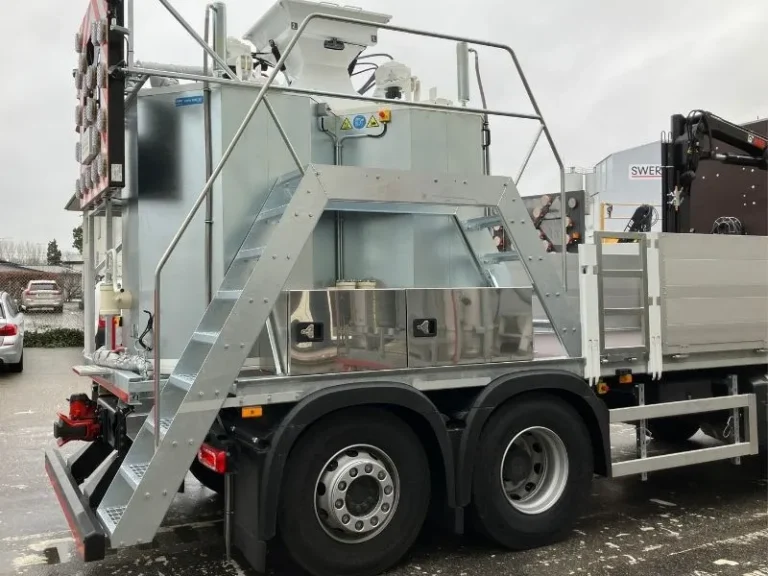
RME preheaters used across Europe.
Built for cold mornings, short repair windows and traffic that won't wait.


”Good equipment is everything when you're laying thermoplastic. The melters have to hold the right temperature and stay reliable all day long, otherwise production grinds to a halt. That's why we've chosen to run three units from RME. They're efficient, they deliver what they promise, and we don't have to worry about downtime in the middle of a job.”
Trusted by road marking contractors across Europe






Questions
Common questions about RME preheaters.
Everything you need to know about RME preheaters
What sizes are available?
RME preheaters come in multiple sizes and can be configured as single units, paired systems, or mounted directly to vehicles. Tell us your vehicle specifications and we will recommend the right configuration.
Which agitation options exist?
Hydraulic or electric motors handle agitation automatically, adjusting speed and direction for consistent melting without manual input.
Can electric maintenance heating be added?
Yes. An optional electric maintenance heater keeps material at temperature when not actively melting, allowing overnight readiness without fuel consumption.
How is material outlet controlled?
The oil-jacketed outlet operates by hand, electric, pneumatic, or hydraulic control. Choose the method that matches your vehicle and workflow.
What thermoplastic formats work?
Both sacked thermoplastics and block material feed into the preheater without modification or preparation.
Contact us to start. We respond within one business day and work through specifications with you before preparing a formal quote.
Start the conversationLet us specify the right preheater for your operation.
Tell us your vehicle setup and operating conditions. We will recommend the right unit, size and configuration for your work.